
The Future of Intelligent Building Management: How AI Is Redefining Energy Efficiency
Every facility manager knows the feeling: you’re constantly putting out fires. A chiller underperforms on a hot day, a lighting system drifts off schedule, or an unexpected spike in utility costs lands on your desk. Buildings may be getting smarter, but most facility teams are still forced to think reactively about energy consumption. While your systems collect thousands of data points each day from lighting controls, HVAC units, and meters, only a fraction ever turns into meaningful action.
According to the U.S. Department of Energy, commercial buildings waste about 30% of the energy they consume. Much of that waste comes from invisible inefficiencies buried in disconnected systems and outdated monitoring methods.

Artificial intelligence is changing facilities management. AI can help organizations move from data collection to decision-making, turning a firehose of building information into precise, predictive insights. With AI-powered intelligent building management, leaders can anticipate problems and make energy a strategic asset rather than a slow leak on a balance sheet.
RS21’s Prequip platform embodies this shift, unifying data across diverse systems to directly reduce facility energy usage.
From Reactive Monitoring to Predictive Intelligence
The U.S. is experiencing historic levels of energy consumption, with no end in sight. The American Public Power Association projects another 2% rise in commercial energy consumption through 2026.
For facility managers, that means efficiency challenges will keep getting tougher. These professionals rely on multiple disparate systems to monitor energy use across their portfolios, but most still require manual oversight. Each system speaks its own language, and teams spend more time collecting data than interpreting and responding to it. Without a unified view, these inefficiencies blend into the background until they become a costly drain on the bottom line.
The Limitations of Reactive Energy Monitoring
Traditional building management systems are good at recording data but not at interpreting it. Facility teams often find out about issues only after they’ve caused excess consumption or comfort complaints. They might respond to high bills or maintenance alarms, but by then, the inefficiency has already cost them money. This reactive model limits continuous improvement, often blindsiding teams with unexpected equipment issues on top of energy losses.
Key benefits of predictive building intelligence include:
Identifying anomalies before they escalate.
Anticipating energy demand and dynamically adjusting operations.
Improving system uptime and occupant comfort.
Enabling proactive maintenance scheduling.
When a building can forecast its own needs, it transitions from a cost center to a strategic asset that protects equipment performance and energy budgets.
Prescriptive Optimization: Beyond Forecasting to Decision-Making
Prediction is valuable, but prescription is transformative. Prescriptive AI doesn’t stop at showing that energy use will rise; it recommends what to do next. For instance, instead of just warning about a likely peak demand, it may suggest adjusting chiller sequencing or lighting schedules to avoid it altogether. The result is a self-improving cycle where insight continuously informs action.
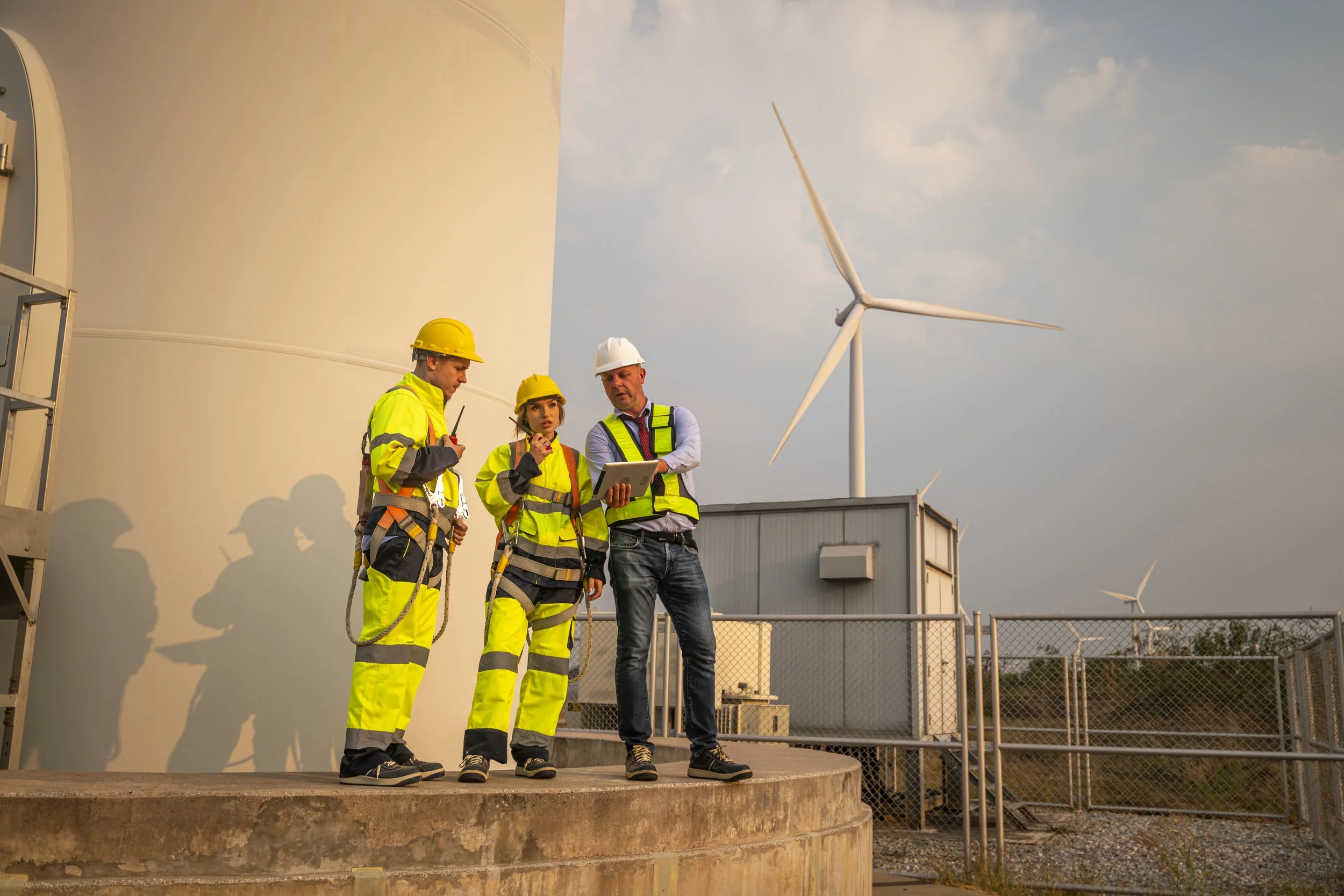
The Macro Forces Driving Intelligent Building Management
Sustainability leaders report growing unease about meeting regulatory demands and operational efficiency targets while managing energy-intensive buildings. According to a 2025 report, the top two corporate sustainability priorities this year are responding to policy shifts and expanded ESG reporting, highlighting that regulatory pressure has become as urgent as cost control.
With energy prices rising and expectations around carbon reduction tightening, facility teams must respond first to internal performance goals, but also to external stakeholder scrutiny, and evolving compliance frameworks.
ESG Mandates and Carbon Accountability
Sustainability leaders face growing pressure to measure and reduce emissions. Regulators, investors, and tenants all expect verifiable data on energy and carbon performance. Yet manual reporting across fragmented systems makes that nearly impossible; 90% of sustainability leaders rely on spreadsheet-based sustainability data collection.
AI simplifies the process by consolidating and analyzing information across portfolios, automating carbon tracking, and generating accurate sustainability reports that support compliance.
Cost Pressures in Energy and Operations
Energy price volatility and persistent labor shortages make efficiency non-negotiable. Facility managers must manage rising utility costs while operating with leaner teams. AI solutions help balance both demands by optimizing building performance and automating routine analysis. When building systems self-correct and anticipate problems, your staff can focus on higher-value work rather than manual troubleshooting.
The Digital Infrastructure Gap
Many facilities already have rich data ecosystems, but these systems don't communicate with one another. HVAC, lighting, metering, and access control operate in isolation, producing overlapping but unconnected data streams. AI bridges that gap by acting as a translator between systems. By integrating and interpreting data from all sources, AI platforms enable decisions that reflect the full operational picture rather than a single system snapshot.
How AI Transforms Building Performance and Energy Efficiency
AI has moved beyond theory and into daily building operations. Its real strength lies in how it continuously learns from data to fine-tune systems and prevent waste. The following examples show how intelligent technologies reshape building performance from the inside out.
Real-Time Energy Optimization
AI evaluates environmental factors such as occupancy, temperature, and weather to make real-time adjustments that maintain high comfort and low energy use. Instead of running every system at full power, AI aligns consumption with demand. During peak hours, it can reduce load without sacrificing comfort, directly improving costs and sustainability outcomes.
Predictive Maintenance and Equipment Longevity
Facility downtime and emergency repairs drain budgets and morale. AI-driven analytics identify early signs of performance drift or component wear before failures occur.
Key outcomes include:
Reduced maintenance costs
Fewer unplanned outages
Extended asset lifespan
Lower energy waste
Predictive maintenance enables teams to plan repairs intelligently and extend the lifespan of critical infrastructure, ensuring reliability and energy savings go hand in hand.
Intelligent Data Unification
Facilities generate an overwhelming amount of data, including system readouts, weather forecasts, equipment manuals, utility rates, warranties, incentives, and historical performance logs. For most teams, this information remains fragmented across platforms and formats.
AI unifies all of it. It merges system data, contextual inputs, and external variables into a single, interpretable view. Intelligent data unification reveals patterns and performance indicators that might otherwise go unnoticed.
For facility managers, that means actionable insights they can understand at a glance. They can see how weather shifts impact chiller performance, how tariff structures influence cost, or how one building compares to another across a portfolio. AI can humanize the data in a way that helps people make faster, more informed decisions.
The Business Case for AI-Driven Energy Management
There’s a clear business case for AI in energy management. Efficient buildings perform better, attract tenants, and bolster your reputation. When organizations link AI-powered energy optimization to their broader sustainability goals, they position themselves as innovators. Suddenly, there's a feedback loop between efficiency and enterprise value.
Quantifying ROI Beyond Energy Savings
The fiscal argument for AI is compelling. In addition to measurable energy reduction, AI-enabled facilities often see:
Reduced total cost of ownership
Improved ESG reporting accuracy
Enhanced occupant comfort and retention
Data-backed budgeting predictability
Each of these outcomes contributes to long-term operational health and stronger investor confidence.
Where To Start: Build Awareness Before You Automate
Sustainability and energy performance improvements begin with visibility. Before deploying AI tools, facility leaders should identify all the systems they monitor and baseline historical performance. Understanding what data you have, what’s missing, and when you need it is the foundation for proactive management.
This process naturally reveals where inefficiencies hide and highlights opportunities for predictive intelligence to make the biggest impact. By consolidating and interpreting these diverse data streams, platforms like RS21’s Prequip help facility teams evolve from reactive problem-solving to continuous optimization.
Case Insights: How Facilities Embrace AI Intelligence
The impact of AI-driven energy management is already visible in commercial offices, hospitals, and manufacturing plants. Organizations use these intelligent systems as a conduit to connect data and to turn insights into measurable facility improvements. These examples show how AI moves from concept to daily operations in some of these environments.
H3: Commercial Real Estate — Enhancing Occupant Experience
Commercial landlords deploy predictive lighting and HVAC control to personalize comfort settings while curbing waste. Their tenants benefit from consistent environmental quality, and property owners achieve reduced operating expenses.
Healthcare Facilities — Predictive Reliability in Critical Systems
Hospitals depend on uninterrupted environmental control for patient safety and equipment protection. AI-driven monitoring allows these facilities to identify abnormal trends in chillers, boilers, or power systems long before failures occur. The impact on equipment uptime and care quality can be substantial.
Manufacturing and Industrial — Optimizing Process Energy Use
Industrial plants use prescriptive analytics to coordinate process loads and lower demand peaks. By dynamically scheduling energy-intensive processes, manufacturers reduce costs without affecting their throughput.
Government and University Campuses — Coordinating Multi-Building Efficiency
Large campuses, such as universities, research labs, and state agency complexes, manage diverse facilities with widely varying energy profiles. AI platforms like Prequip unify data from these distributed systems, allowing energy managers to monitor building clusters, compare performance, and coordinate load balancing across entire campuses. The result is enterprise-level insight with building-level control.
Prequip by RS21 — Bridging AI, Insight and Energy Performance
RS21's Prequip platform delivers on these capabilities without adding equipment to your facility footprint. Our AI is system- and data-agnostic, integrating all facility data across systems and buildings. Prequip applies predictive and prescriptive intelligence, delivering building performance analytics that drive measurable improvement. Importantly, this tool tracks energy consumption in real time, leveraging automated reporting to make regulatory and stakeholder reporting easier. Prequip is one of the first software platforms to use AI to solve some of the biggest challenges facing facilities teams. Now you can pinpoint energy improvement opportunities from a single consolidated hub and act quickly to reduce energy waste. Predictive analytics makes maintenance proactive, enabling greater system longevity and uptime. For organizations juggling energy costs, ESG mandates, and staffing constraints, Prequip offers a practical pathway to smarter, more resilient operations. Contact our team today to see it in action.
Frequently Asked Questions About Intelligent Building Management
-
Traditional systems execute fixed routines and alarms. AI learns from data, adapts to patterns, and continuously improves performance, providing true operational intelligence rather than static, reactive control.
-
Yes. Modern AI models analyze variables such as weather, occupancy, and equipment behavior to forecast energy demand with remarkable precision. As data quality improves, accuracy strengthens over time.
-
AI automates carbon tracking and reporting, ensuring transparency and accuracy. It helps organizations set realistic emission targets and consistently measure progress.
-
Common barriers include siloed data, outdated systems, and uncertainty about the ROI of these tools. These challenges fade quickly once organizations start small and see firsthand the operational gains.
-
Begin by connecting existing data streams to a centralized AI platform. Solutions like Prequip work with legacy systems, helping teams unify and interpret information without costly hardware overhauls.